November 3, 2026
Preparing a home for hurricane season involves more than monitoring weather forecasts and securing outdoor belongings. Windows are an important part of the building envelope, and standard glass can break when exposed to flying debris or extreme wind pressure. Installing hurricane impact windows can help protect the home while improving indoor comfort, security, and energy performance throughout the year. Before moving forward, homeowners should understand how these products work, which features matter most, and why professional installation is essential to achieving the intended results.
Working with a qualified hurricane impact windows installer can help homeowners evaluate their existing windows, compare available products, and determine which options suit their property. Careful planning also helps clarify project costs, local building requirements, and the expected installation process. By considering these factors before choosing a product, homeowners can make an informed decision about this significant home improvement.
Assessing Your Home’s Storm Protection Needs
Every home has different requirements based on its location, construction, window openings, and exposure to severe weather. Properties near the coast may face intense winds, windborne debris, salt air, and heavy rainfall, making product selection especially important. Homes in designated hurricane-prone areas may also need to meet specific building-code provisions for exterior glazing and debris protection. Evaluating these conditions provides a starting point for determining which window systems are appropriate.
A professional assessment can identify the types, sizes, and locations of existing windows, along with any unusual openings that require special consideration. A hurricane impact windows installer can explain how the home’s exposure and applicable regulations influence the products being considered. This initial evaluation helps homeowners understand the scope of the project before selecting specific styles or requesting a final estimate.
Understanding Impact Ratings and Building Codes
Not all windows provide the same level of storm protection, so homeowners should review product approvals and performance ratings rather than relying on appearance alone. Impact-rated systems are tested to evaluate how they respond to specified conditions, including wind pressure and impacts from simulated debris. Requirements can vary according to location, building design, and whether a property falls within a high-velocity hurricane zone. Checking the relevant standards helps ensure that the selected products are appropriate for the installation.
According to Today’s Homeowner, impact windows are designed to resist hurricane-force winds and flying debris, with some products rated for wind speeds of 200 mph or higher, while retaining their integrity rather than breaking like ordinary glass. Actual performance depends on the specific product and its tested rating, so homeowners should confirm the manufacturer’s documentation. A hurricane impact windows installer familiar with local requirements can help explain which approvals and specifications apply to the home. This information is particularly important when comparing products that may look similar but have different performance capabilities.
Comparing Glass and Frame Materials
Impact windows generally use laminated glass, which combines layers of glass with a durable interlayer designed to help hold fragments together if the glass cracks. This construction can reduce the risk of broken glass scattering into the home after an impact. However, the window’s performance depends on the complete system, including the frame, hardware, and installation method. Homeowners should evaluate the approved assembly rather than treating the glass as the only factor that matters.
Frame material also affects appearance, structural characteristics, insulation, and maintenance. Vinyl frames can provide useful thermal performance and relatively low upkeep, while aluminum frames offer strength and can accommodate certain larger openings. The right choice depends on the home’s architecture, opening dimensions, climate exposure, and performance priorities. Discussing these differences with a hurricane impact windows installer can help narrow the options without overlooking practical considerations such as durability and long-term care.
Evaluating Energy Efficiency and Indoor Comfort
Storm protection is a primary reason to consider impact windows, but energy performance can also influence the value of the project. Depending on their design, these windows may include insulated glass, low-emissivity coatings, and other features that help limit unwanted heat transfer. Reducing solar heat gain can support more consistent indoor temperatures, especially in warm climates where air conditioning operates frequently. Performance varies by product, so homeowners should compare documented efficiency ratings rather than assuming every impact window performs identically.
Window orientation, frame construction, glass coatings, and the condition of the surrounding building envelope can all affect results. Better-performing windows may also help reduce certain forms of outside noise, making interior rooms more comfortable. Homeowners should discuss their priorities with a hurricane impact windows installer, including cooling costs, sunlight exposure, and noise from nearby roads or neighboring properties. Considering these benefits alongside storm resistance creates a more complete picture of what the upgrade can provide.
Planning Window Styles and Home Appearance
Impact windows are available in a range of styles, including single-hung, double-hung, casement, sliding, and fixed picture windows. Each design offers different advantages for ventilation, operation, views, and architectural appearance. Some openings may benefit from an operable window, while others may be better suited to a fixed unit that provides an unobstructed view. Matching the window type to the room and opening helps maintain the home’s functionality.
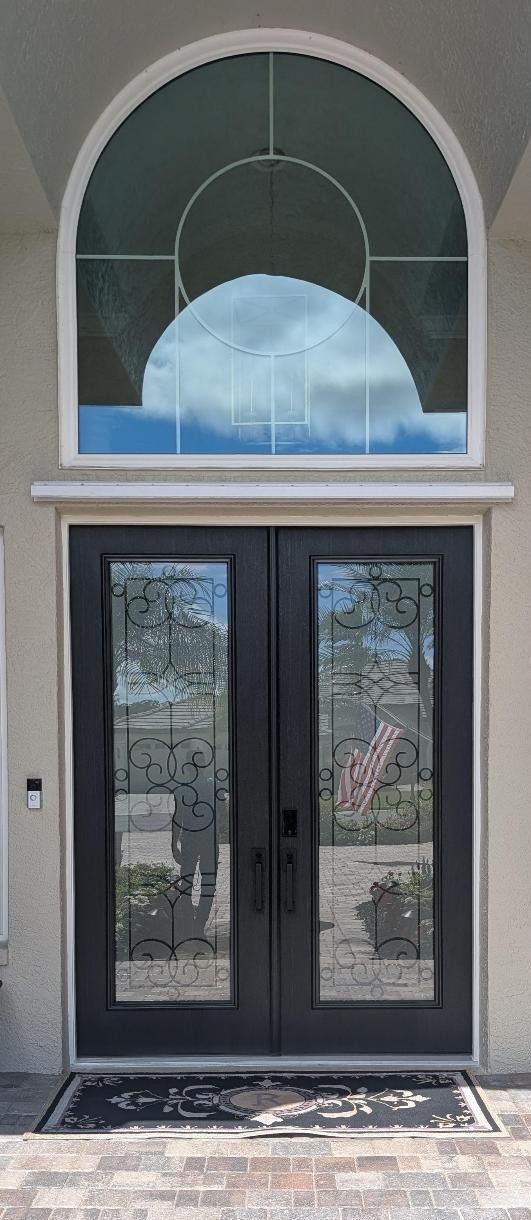
Frame colors, glass appearance, and grille options can also influence the finished look. Homeowners replacing multiple windows may want a consistent design across the exterior, while preserving features that complement the home’s original architecture. A carefully selected system can strengthen the home’s weather protection without making the exterior feel disconnected from its existing style. Reviewing samples, product specifications, and available configurations before ordering can help prevent avoidable design changes later.
Calculating Project Costs and Long-Term Value
The cost of installing impact windows depends on several factors, including the number of openings, window dimensions, frame material, glass specifications, access conditions, and installation complexity. Custom shapes or unusually large openings may require specialized products, while replacing many windows can increase the overall project scope. Homeowners should request a detailed estimate that identifies the products, labor, removal of existing windows, finishing work, and any other included services. Comparing estimates on the same basis makes differences easier to understand.
The initial price is only one part of the decision. Homeowners may also consider reduced need for temporary storm protection, potential energy savings, noise reduction, and the product’s expected service life. Insurance discounts may be available for qualifying improvements, but eligibility and savings vary by insurer and policy. A
hurricane impact windows installer can explain the proposed project’s scope and help homeowners understand the product options being priced. Before approving the work, review payment terms, warranty coverage, and any conditions that could affect the final cost.
Preparing for Professional Installation
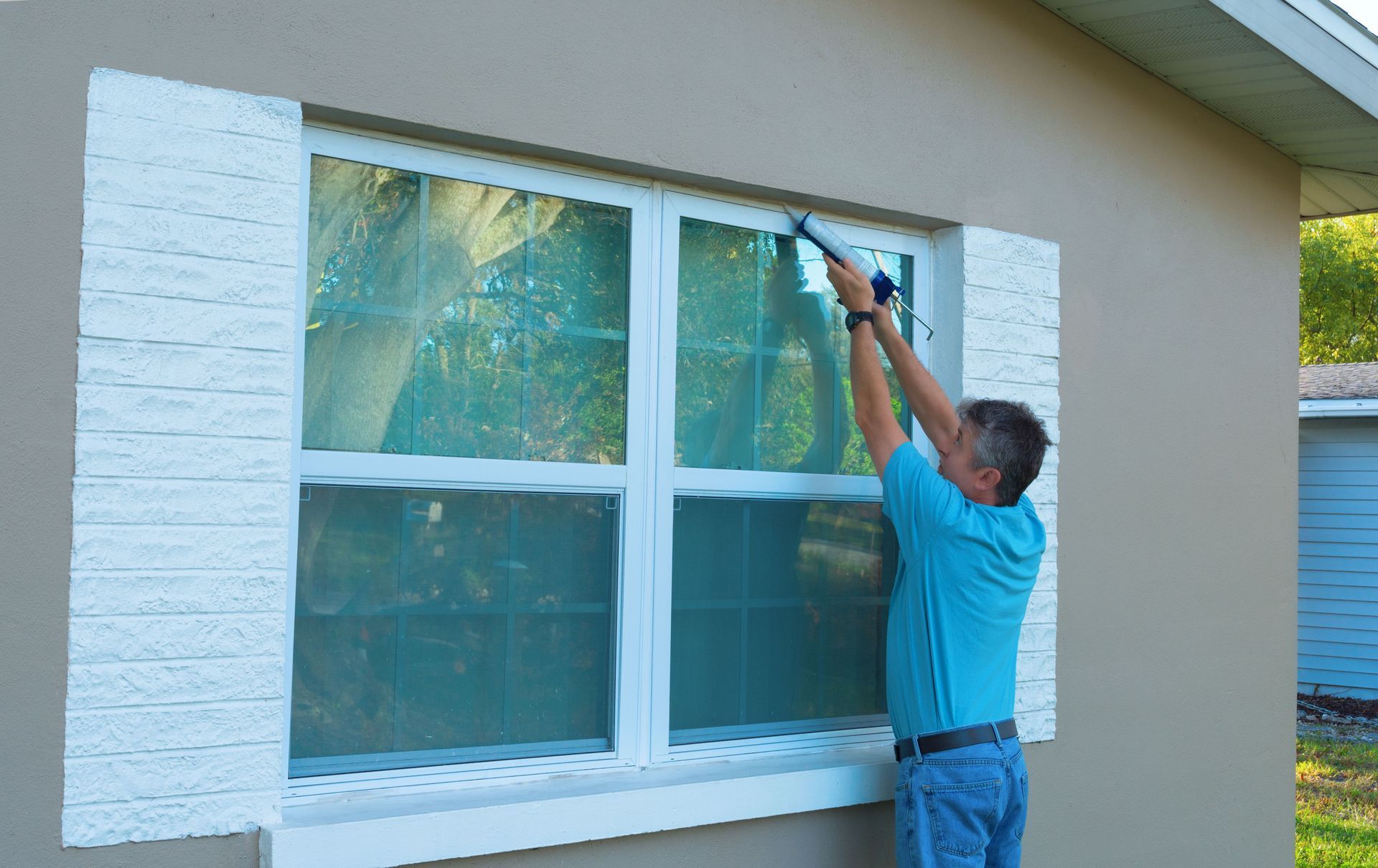
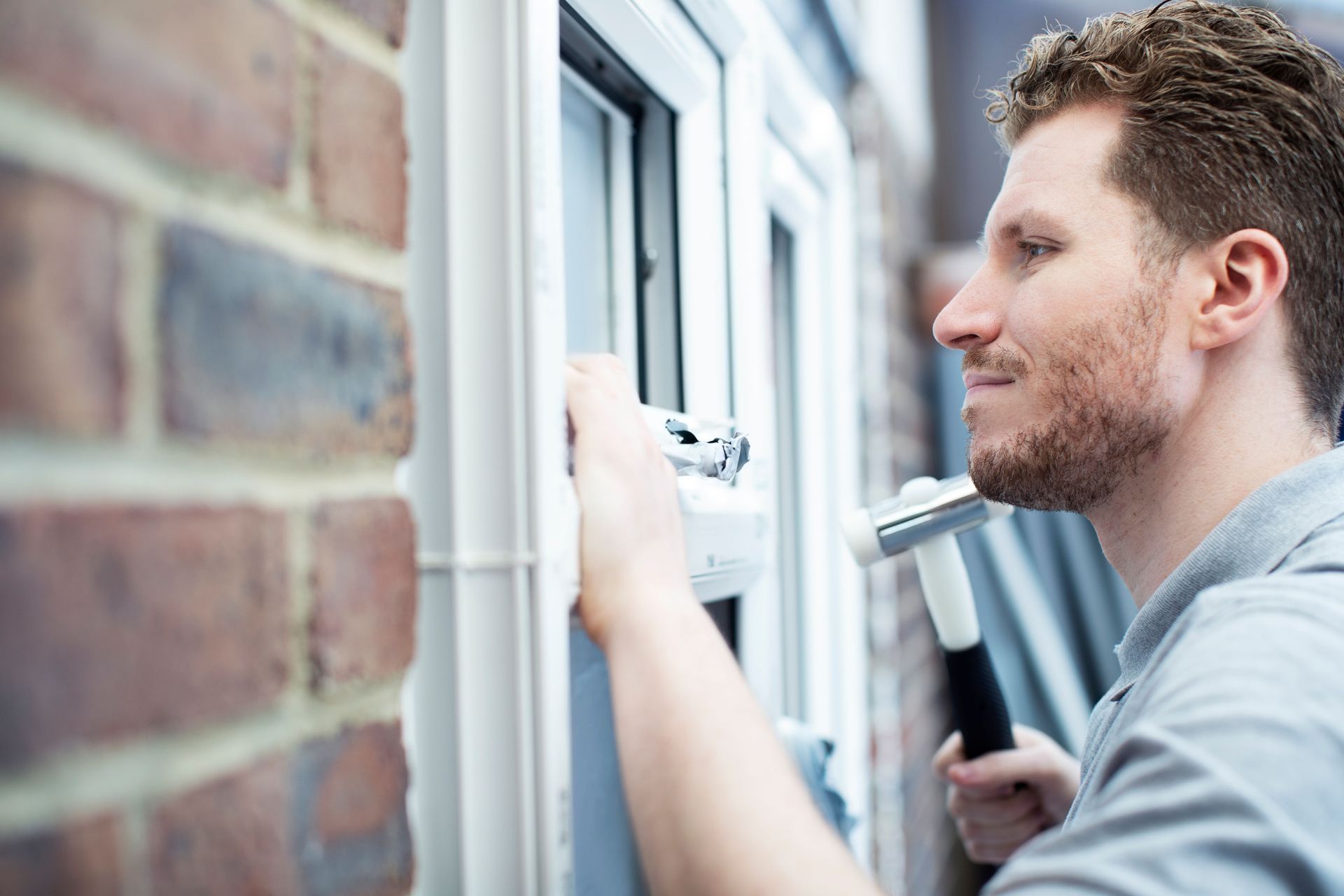
Proper installation is essential because even a high-performing window may not deliver its intended protection if it is fitted incorrectly. The opening must be measured accurately, and the window must be secured using installation methods and components appropriate for the approved system. Gaps, unsuitable fasteners, or incorrect sealing can affect performance and may allow water intrusion. Installation should therefore follow the manufacturer’s instructions and applicable building requirements.
Homeowners should clarify who will handle permits, inspections, removal of old windows, disposal, interior finishing, and cleanup. They should also ask how the crew will protect nearby furnishings and manage access to each room during the project. Installation schedules depend on product availability, the number of windows, weather, and the complexity of the home. Clear communication before work begins helps set realistic expectations and makes it easier to plan around temporary disruptions.
Preparing for severe weather starts with understanding your home’s needs and selecting window systems suited to local conditions. The right products can help resist windborne debris, improve everyday comfort, and complement the property’s appearance when installed according to applicable requirements. Gulf Coast Windows and Doors can help you explore impact window options, compare features, and understand the steps involved in your replacement project. Contact Gulf Coast Windows and Doors to schedule a consultation and discuss how impact windows may fit your home’s protection and performance goals.