July 28, 2026
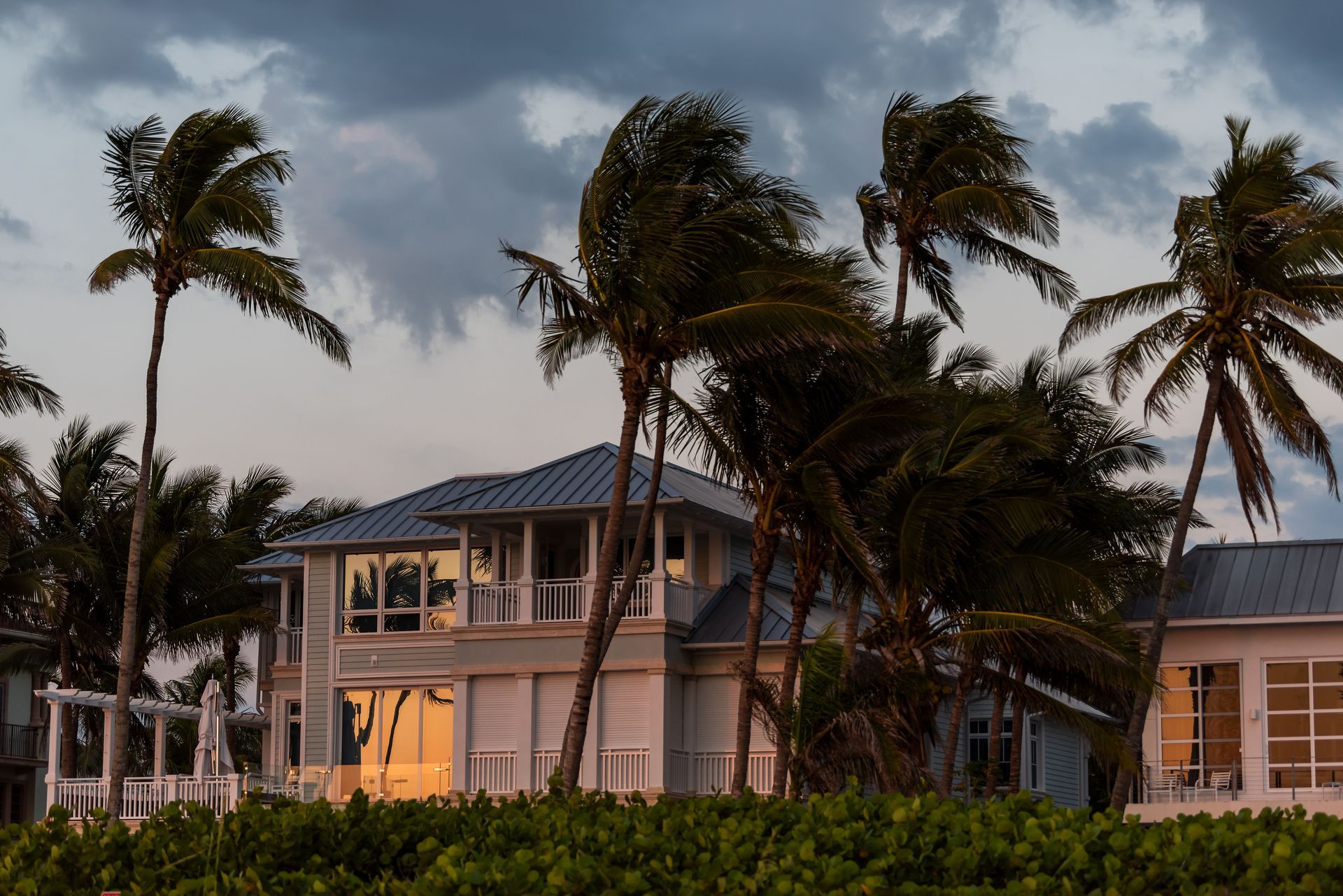
Living along the coast brings incredible scenery, warm sunshine, and gentle ocean breezes. However, coastal living also comes with the reality of severe tropical storms and seasonal hurricanes. When a major weather event approaches, protecting your home against high winds and flying debris becomes a top priority. Preparing a house for storm season often requires installing durable protective barriers over exterior openings. Homeowners evaluating their defense options frequently find that upgrading to a hurricane impact window offers permanent protection without the hassle of temporary storm shutters.
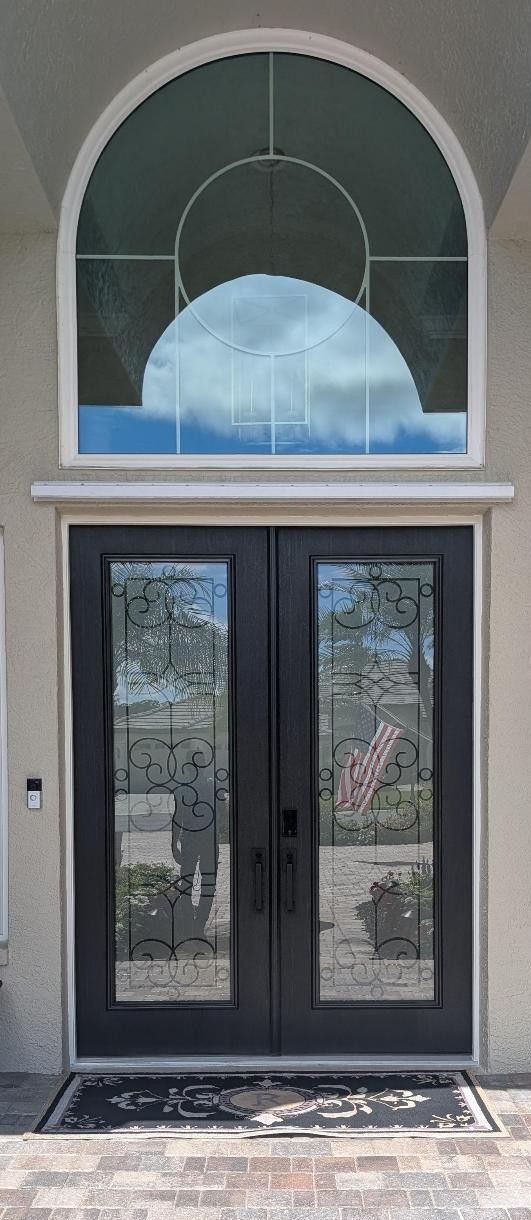
Putting up heavy plywood boards or hanging metal shutters before a storm requires significant physical effort and time. Temporary covers also block natural light, leaving the inside of your home dark during power outages. Protective windows stay in place year-round, offering continuous defense against severe weather while preserving outdoor views and daylight. Beyond storm protection, these robust window units enhance everyday security against intruders and reduce unwanted outside noise. Understanding how these specialized units are engineered helps homeowners make informed choices when updating their property.
Examining Critical Structural Materials
The primary strength of a storm-resistant window comes from its specialized glass construction. Standard residential glass breaks easily when struck by airborne tree branches or loose outdoor items carried by strong wind gusts. Impact-resistant glass utilizes laminated technology, which layers two or more glass sheets around a clear synthetic inner core. When heavy debris strikes the outer surface, the glass may crack, but the shattered fragments remain firmly attached to the inner layer.
According to HomeGuide, hurricane windows feature heavy-duty frames and impact-resistant glass built to endure Category 5 storms. Heat-strengthened or tempered glass often works alongside laminated panels to increase overall mechanical strength. Tempered glass undergoes a specialized heating and cooling process that makes it significantly stronger than standard glass. If tempered glass breaks under severe force, it fractures into small, dull fragments rather than sharp, dangerous shards. Combining laminated technology with tempered panels ensures that the glass assembly stays intact, preventing wind and rain from penetrating your living space.
Selecting Heavy-Duty Frame Materials
Even the strongest glass pane needs a sturdy frame to hold it in place during a storm. Heavy wind pressure pushes against the entire window assembly, placing massive stress on the frame perimeter. Frame materials must resist bending, twisting, and pulling away from the wall structure. Aluminum frames are a common choice due to their exceptional structural strength and slim design profiles. Aluminum naturally resists rust and corrosion, making it well-suited for humid coastal environments.
Vinyl frames provide another popular option for coastal homes. High-grade vinyl features multi-chambered internal designs that trap air and provide solid structural rigidity. Quality vinyl does not rot or chip when exposed to salt air and heavy moisture. Many vinyl frames incorporate internal steel or aluminum reinforcements inside the main chambers to handle extreme wind pressure. Choosing a hurricane impact window built with reinforced vinyl or aluminum framing ensures that the unit maintains its structural shape under severe weather conditions.
Utilizing Strong Interlayer Films
Tucked securely between the glass panes sits a tough, transparent inner layer made from specialized materials like polyvinyl butyral or SentryGlas. This interlayer acts as an invisible binding blanket across the entire glass surface. During a heavy impact, the inner film absorbs and redistributes the kinetic energy across the panel.
Holding fractured glass together is essential for maintaining the structural envelope of your home. If a window shatters completely and allows high winds to enter, atmospheric pressure builds rapidly inside the house. This sudden rise in internal pressure can push upward on the ceiling, leading to severe roof damage or structural failure. The inner film acts as a flexible shield, keeping the opening closed even if the outer glass breaks.
Sealing Edges With Protective Sealants
Preventing water damage requires high-performance sealants applied along every joint and glass edge. Tropical storms bring driving rain that hits windows horizontally at extreme speeds. Standard window seals can fail under these conditions, allowing water to leak into wall cavities and interior rooms.
Specialized silicone sealants create a durable, flexible, and waterproof barrier around the glass perimeter. These advanced sealants maintain their adhesion and flexibility through extreme temperature changes and heavy wind exposure. Proper sealing ensures that wind-driven rain stays outside, protecting your drywall and interior furnishings from water damage.
Applying Key Engineering Principles
Engineering a storm-ready window involves calculating design pressure ratings, commonly referred to as DP ratings. These ratings measure how much wind force a window assembly withstands without structural failure or air leakage. Higher DP ratings mean the window handles greater wind speeds and heavy pressure shifts.
Engineers evaluate both positive pressure and negative pressure during testing. Positive pressure occurs when wind blows directly against the exterior face of the window. Negative pressure occurs as wind sweeps around the corners of the house, creating a pulling effect that tries to suck the window outward. Every certified hurricane impact window undergoes rigorous testing to verify that its glass, frame, and hardware handle both pushing and pulling forces without dislodging.
Testing Impact Debris Resistance
Before earning official certification, protective windows must pass demanding laboratory tests that simulate hurricane conditions. Testing facilities use pneumatic cannons to fire heavy wooden timbers directly at the glass surface at high speeds. This large missile impact test replicates flying tree limbs and construction debris carried by hurricane-force winds.
Following the missile impact, the window unit undergoes thousands of pressure cycles. Machines repeatedly push and pull on the cracked window panel to simulate the continuous wind gusts of a long tropical storm. A hurricane impact window passes the test only if the glass stays inside the frame without creating openings larger than specified safety limits.
Reinforcing Structural Window Frames
Sustaining heavy wind loads requires extra structural reinforcement inside the frame profiles. Manufacturers place heavy metal bars or specialized composite supports inside the frame extrusions. These internal stiffeners give the window frame the rigidity needed to span large wall openings.
Corner joints also receive heavy-duty reinforcement. Frame corners are joined using welded seams or heavy mechanical corner keys that lock the frame sections together. Strong corner construction keeps the frame square and prevents the glass panel from popping out under heavy structural stress.
Ensuring Performance Through Proper Installation
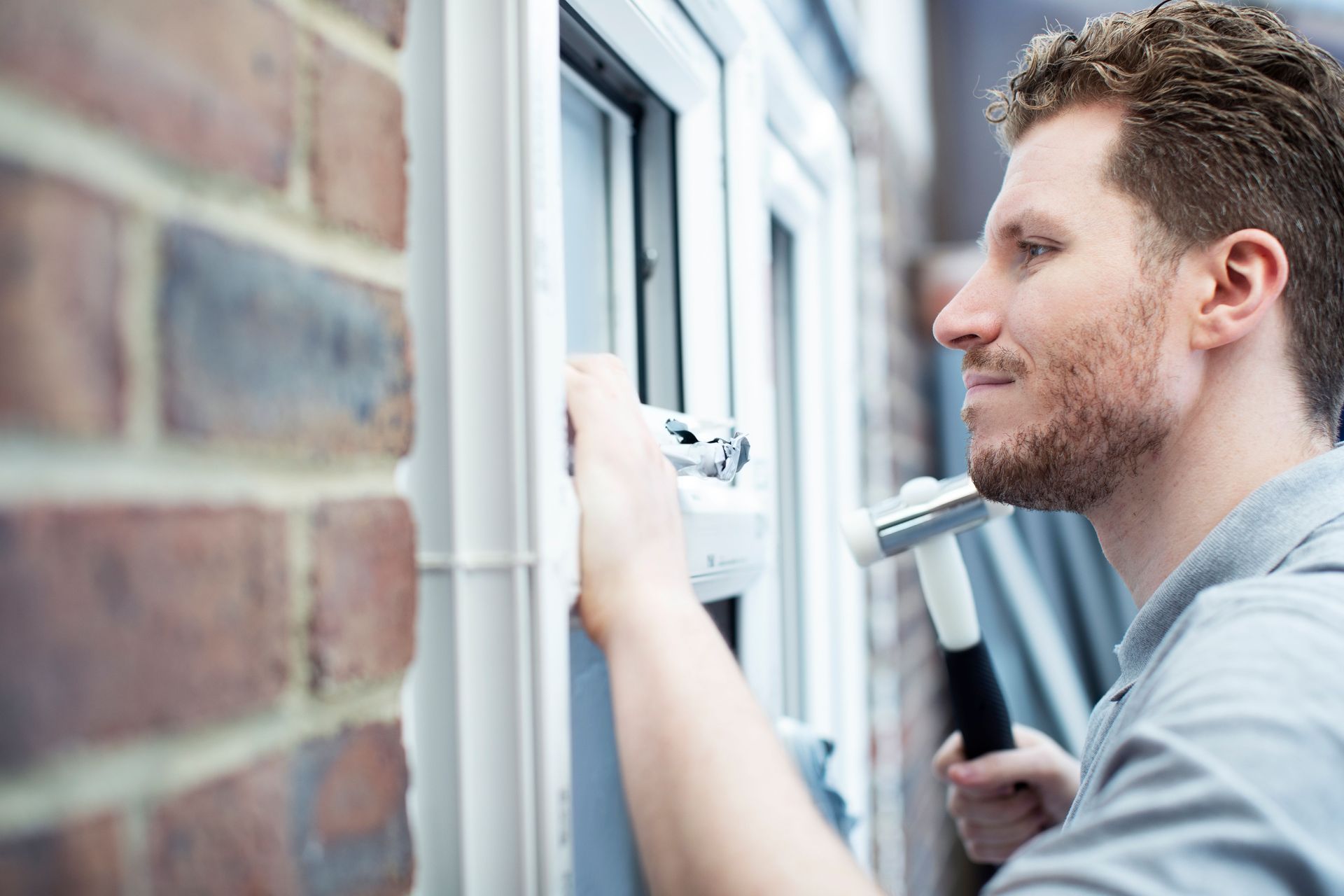
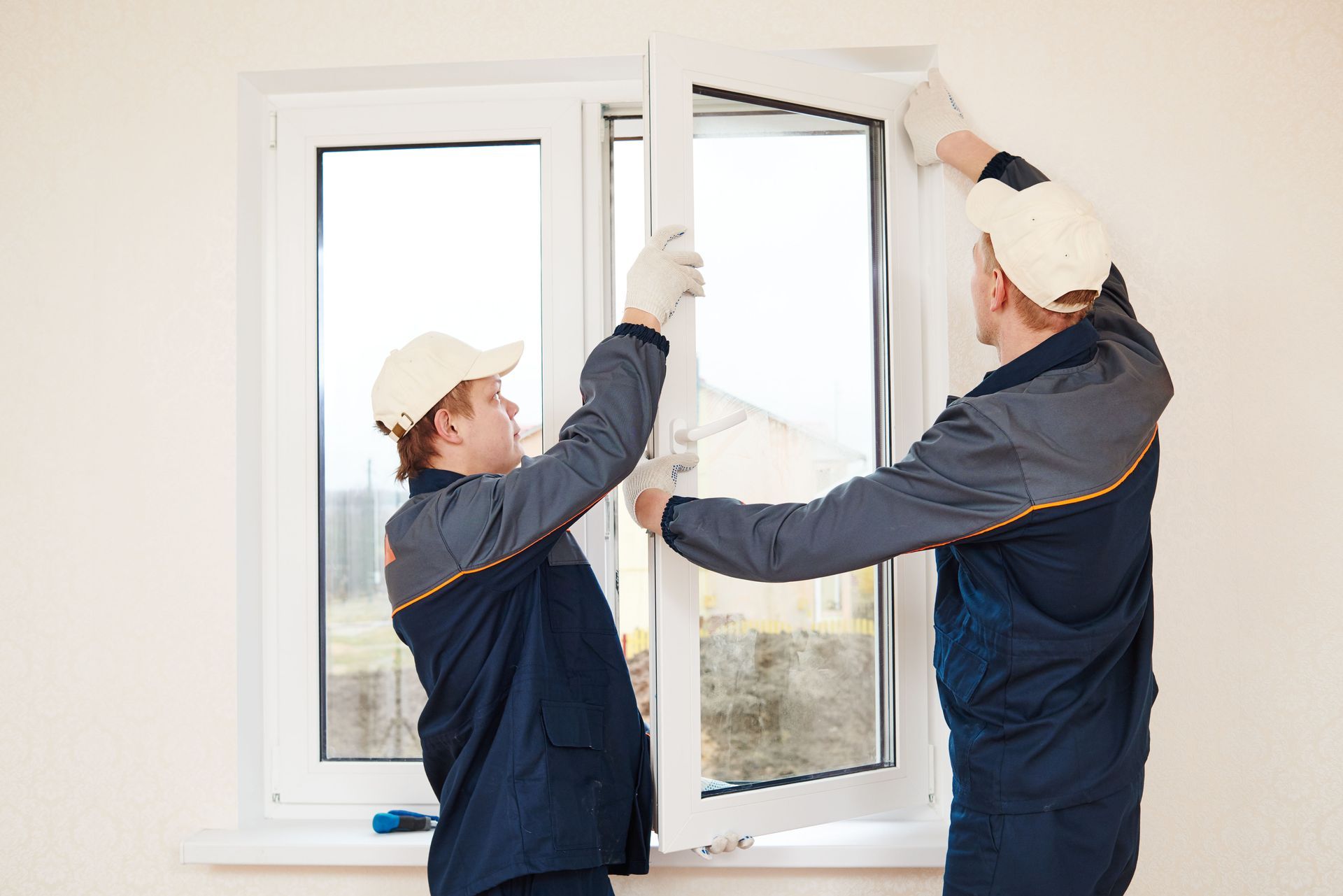
High-quality materials rely on professional installation to perform properly during a storm. An improperly installed window can fail under wind pressure, regardless of how strong the glass and frame are. Professional installers anchor the window frame directly into the heavy structural framing or concrete masonry of the house.
Installers use heavy-duty fasteners placed at precise intervals along the top, bottom, and side frame tracks. Shimming the frame correctly ensures that the window sits square and plumb within the wall opening. Applying waterproof flashing materials around the exterior perimeter prevents rainwater from seeping behind siding, stucco, or brick surfaces.
Meeting Strict Regional Building Codes
Coastal municipalities enforce strict building codes to ensure that homes withstand regional storm risks. Building codes require windows installed in designated wind-borne debris zones to carry verified test certifications. Products must pass testing standards established by regulatory groups, and selecting an approved hurricane impact window ensures full compliance with local building requirements while providing dependable shelter for your family.
Investing in high-strength window protection provides long-term security and peace of mind for coastal property owners. Heavy-duty frames, laminated safety glass, and tough interlayers work together to create a reliable barrier against extreme weather. Beyond storm season, a hurricane impact window offers everyday benefits by improving home security, dampening outside noise, and enhancing interior climate control.
Protecting your home requires quality products and skilled installation craftsmanship. The team at Gulf Coast Windows and Doors offers professional guidance and reliable storm protection products tailored to your property. Contact us today to schedule a consultation and explore the ideal protection options for your home.